The Digital Arms Race: How Battlefield 6's Anti-Cheat Blocked 330,000 Cheating Attempts in Just 48 Hours

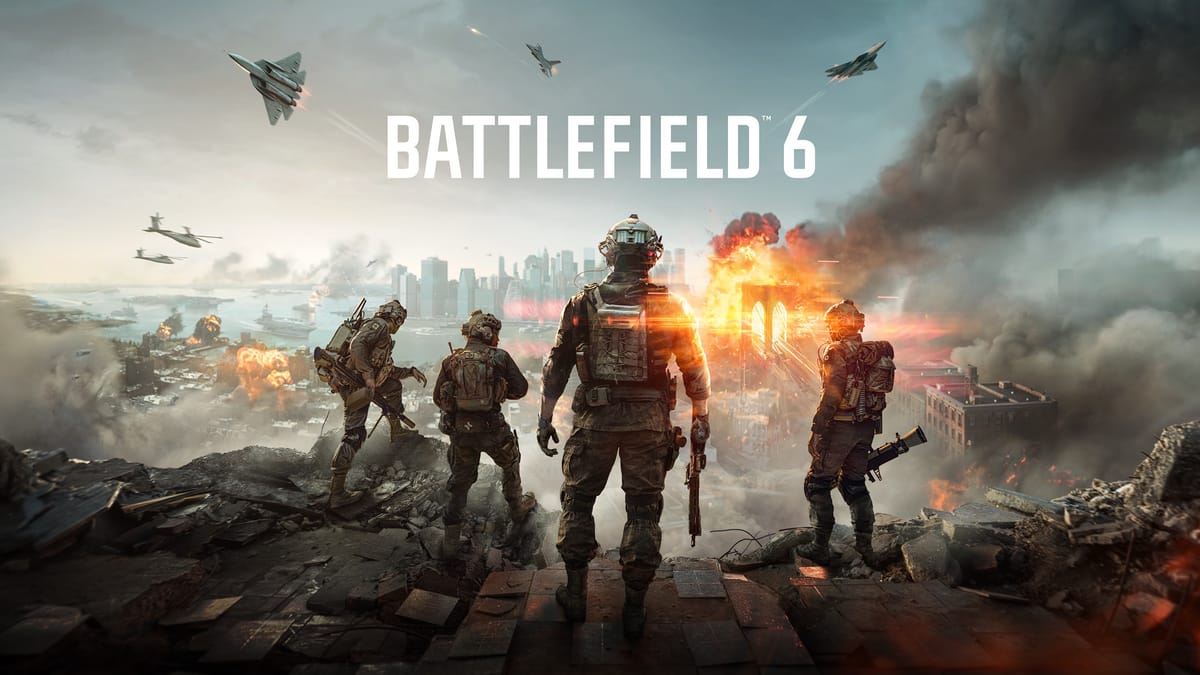
Bottom Line Up Front: EA's Javelin anti-cheat system intercepted over 330,000 cheating attempts during Battlefield 6's beta weekend, showcasing both the massive scale of modern gaming fraud and the sophisticated defenses developers are deploying to combat it.
The numbers are staggering. In just two days of Battlefield 6's open beta, EA's Javelin anti-cheat system blocked over 330,000 attempts to cheat or bypass security measures. But perhaps even more telling: players reported over 100,000 suspected cheaters during the first two days alone – 44,000 on day one and another 60,000 on day two.
These figures paint a vivid picture of what has become an invisible war being fought in every major multiplayer game: the relentless battle between cheaters and the systems designed to stop them.
 Hacker Noob Tips
The Javelin Shield: EA's High-Tech Guardian
EA Javelin Anticheat has blocked over 33 million cheat attempts across 2.2 billion PC gaming sessions since its launch in 2022, making it one of the gaming industry's most battle-tested anti-cheat systems. Now active in 14 EA titles, including Battlefield, Madden, and EA SPORTS FC franchises, Javelin represents a new generation of kernel-level protection.
What makes Javelin particularly formidable is its comprehensive approach. According to EA, it maintains a 99% accuracy rate when detecting and banning cheaters, while recent updates cut the number of cheaters players encounter in Battlefield 2042 in half.
The system operates at the kernel level – the deepest part of Windows – giving it unprecedented visibility into what's happening on players' computers. EA Javelin Anticheat only runs when one of EA's protected games is running, and it will uninstall itself if you have uninstalled all of your EA games that have EA Javelin Anticheat protection.
 Hacker Noob Tips
Beyond Traditional Cheating: The Hardware Arms Race
What's particularly fascinating about the Battlefield 6 beta results is that despite Javelin's impressive blocking rate, some cheaters are still slipping through. These cheats are not your traditional ones that you can download and run on your PC. Instead, cheaters are using other methods to bypass the kernel anti-cheat systems.
The cheats work by using special hardware that plugs into your PC's motherboard to read from memory, while the cheat software runs on another piece of hardware. By doing this, the cheat software no longer runs on the PC that has Secure Boot, so it can bypass the anti-cheat systems.
This represents a dramatic escalation in the cheating arms race. These Direct Memory Access (DMA) cheats require expensive hardware setups and technical expertise, meaning your average teenager will not be able to use them. However, they demonstrate how sophisticated and well-funded cheat developers have become.
The Industry-Wide Shift to Kernel-Level Protection
Battlefield 6 isn't alone in this approach. The gaming industry has collectively embraced kernel-level anti-cheat as the new standard for competitive games. To date, there are 325 games using kernel-level anti-cheat software, including popular titles using EasyAntiCheat, BattlEye, and proprietary systems like Riot's Vanguard and Activision's Ricochet.
Call of Duty implemented its RICOCHET system in 2021, and it actively disrupts cheaters' gameplay with unique mitigations like "cloaking" (making legitimate players invisible to cheaters), "disarm" (removing weapons from cheaters), and even "hallucinations" (introducing decoy characters visible only to cheaters).
Unlike Valorant's kernel-level anti-cheat which runs constantly, most newer systems like RICOCHET and Javelin only operate when the game is running and shut down when players exit.
 My Privacy Blog
The Secure Boot Controversy
Battlefield 6 takes anti-cheat protection one step further by requiring Secure Boot, a Windows security feature that ensures only trusted software can load during system startup. EA explains that "Secure Boot prevents your machine from running with vulnerable drivers enabled. So if Secure Boot is running and we see those drivers loaded, we know something's a bit off".
However, this requirement has significant consequences. Battlefield 6's Secure Boot requirement will prevent the game from working on Linux systems and Steam Deck, effectively blocking an entire platform from accessing the game.
A Multi-Million Dollar Criminal Enterprise
The scale of the cheating problem reflects its transformation from casual mischief into serious business. Many cheaters are now working for companies in what has become a multi-million dollar criminal enterprise. Professional cheat developers test their software during beta periods to ensure they're ready for a game's full release.
EA acknowledges this reality. "Anti-Cheat isn't one and done, it's an ever-evolving battlefield, and what has worked for us previously or in different games doesn't always work in all of them", the company stated in their beta update.
Player Perspectives: The Price of Fair Play
The gaming community's response to these invasive anti-cheat measures reveals the depth of frustration with cheating. Many players express willingness to accept kernel-level access in exchange for fairer gameplay.
As one Reddit user put it: "I play Call of Duty to unwind, not get shit on by a child that spent $30 on an aimbot... If a kernel level driver prevents this, have at it".
However, concerns persist about privacy and system security. Security experts worry about voluntarily installing "rootkits" on gaming PCs and the potential for these systems to be exploited or cause system instability.
The Road Ahead: An Endless War
Battlefield 6's beta statistics – 330,000 blocked attempts in just two days – offer a sobering glimpse into the scale of modern gaming's cheating problem. They also demonstrate that while anti-cheat technology has become incredibly sophisticated, it's locked in a perpetual arms race with equally determined opponents.
Battlefield 6 will be the first entry in the series to launch with Javelin anti-cheat protection from day one, when it releases on October 10, 2025. Whether this proactive approach can maintain fair play remains to be seen.
What's certain is that the 330,000 blocked attempts represent just the tip of the iceberg. Each blocked cheat attempt represents a player's decision to prioritize unfair advantage over sporting competition – a choice that millions of legitimate players are increasingly unwilling to tolerate.
The message from EA's beta weekend is clear: the war against cheaters is far from over, but the defenders are better armed than ever before. Whether that's enough to preserve the integrity of competitive gaming will depend on the industry's continued willingness to innovate faster than those who seek to exploit it.
Battlefield 6 releases October 10, 2025, for PC, PlayStation, and Xbox platforms. The game will require Secure Boot and kernel-level anti-cheat on PC.